Mobility products

Walking sticks

A walking stick is the simplest aid, but height, handle shape and the rubber tip all affect how safe it is. Most people hold the stick in the hand opposite their weaker leg.
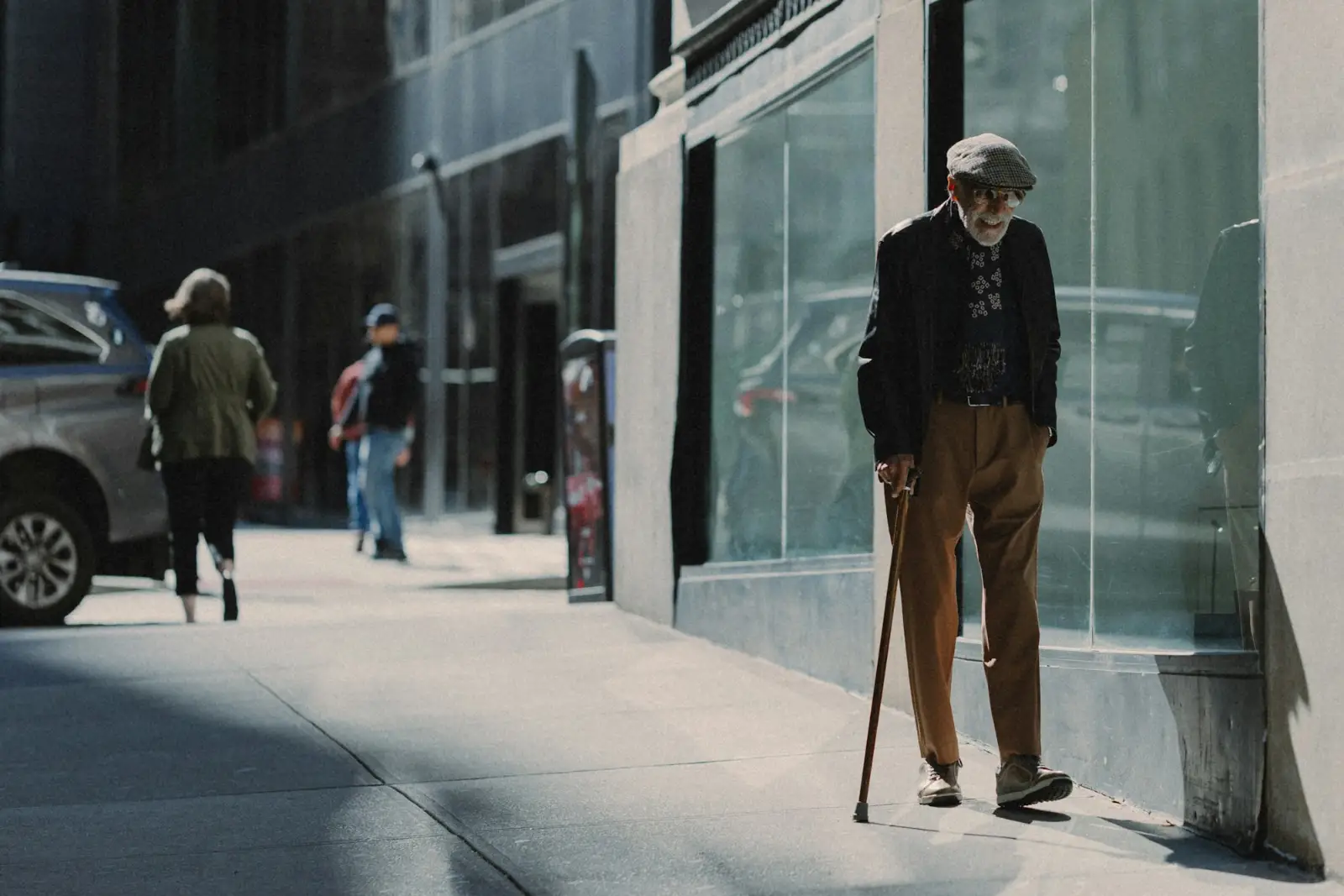
An older man walking along a city pavement with a cane

Who it suits

People who need light support or reassurance on one side.

Paying for walking sticks in Australia: The NDIS lists walking sticks as a low-cost item, and Support at Home AT-HM may cover them. Many people buy their own. Check which schemes fit you.

Important buying considerations

Getting the height right

With your arm hanging loosely, the top of the stick is usually level with the crease of your wrist. A physiotherapist can check this.

Handle

Shaped (anatomical) handles spread pressure if you have arthritis in your hands.

Ferrule (rubber tip)

Replace it when the tread wears smooth. A worn tip can slip.

Buying guides

Product comparisons and recommendations

We are building our walking sticks catalogue

We only list a product once its specifications have been checked against the manufacturer's own information, with the date we checked. We will not show prices or availability unless they come from a retailer and are dated. In the meantime, you can compare models you are considering with our comparison tool.

Questions to ask before you buy

  • Which hand should I hold it in?
  • Is the stick adjustable, and how is it locked?
  • Can it be cut or adjusted to my height, and does it have a replaceable rubber tip?

When to get professional advice. Ask a physio to check the height and show you how to use it.

Relevant suppliers