Mobility products

Walking aids

Walking aids spread your weight, improve balance and build confidence. The right aid depends on how much support you need and where you will use it, and a poorly fitted aid can increase the risk of a fall.
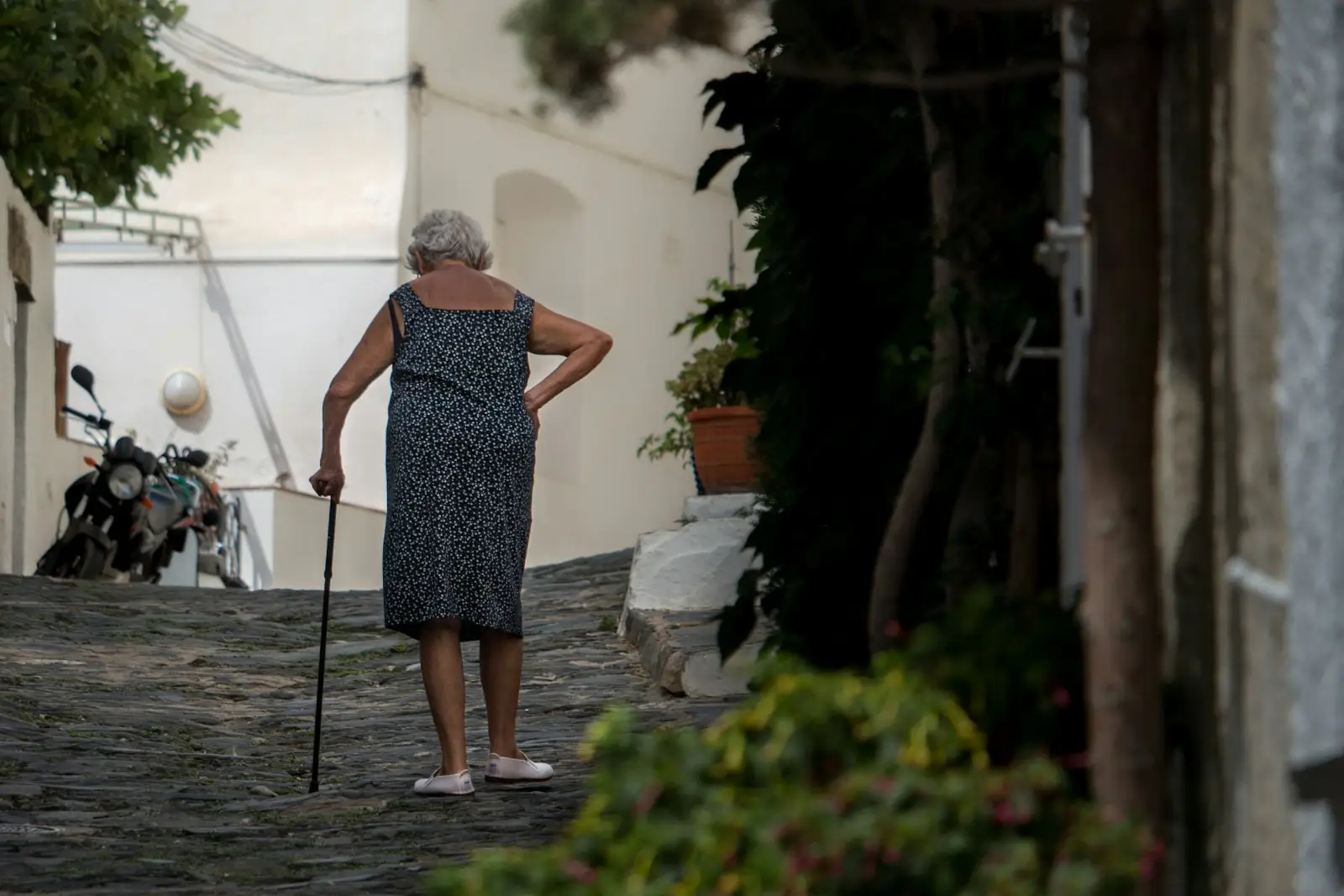
An older woman walking along a path under tall trees with a walking stick

Who it suits

People who feel unsteady, tire quickly, or are recovering from injury or surgery.

Paying for walking aids in Ireland: Ask your GP or public health nurse for a referral to an HSE OT or physiotherapist. If prescribed, it is usually free on loan with a medical card. Check which schemes fit you.

Important buying considerations

How much support

A stick gives light support on one side. Crutches take more weight. A walking frame gives the most stability but is slower.

Height

Most aids should be adjusted so your elbow is slightly bent when holding the handle. Ask a physiotherapist to check.

Indoors and outdoors

Many people need a different aid indoors (where space is tight) and outdoors (where ground is uneven).

Buying guides

Product comparisons and recommendations

We are building our walking aids catalogue

We only list a product once its specifications have been checked against the manufacturer's own information, with the date we checked. We will not show prices or availability unless they come from a retailer and are dated. In the meantime, you can compare models you are considering with our comparison tool.

Questions to ask before you buy

  • Has the height been set for me?
  • Can I use this on stairs?
  • How do I replace worn ferrules or tips?
  • Is the height adjustable, and are spare ferrules or tips easy to get?

When to get professional advice. See a physiotherapist, through your GP or Local Health Office, to choose and set up the right aid.

Relevant suppliers