


Independent living
Falls prevention
Falls are not an inevitable part of ageing. Strength and balance, eyesight, medicines, footwear and hazards at home all play a part, and most of them can be improved.
This week
Quick wins
- Clear walkways and secure rugs
- Night lights on the route to the toilet
- Well-fitting slippers with a back and grip
- Keep a phone or alarm within reach
- Ask for a medicines review if a medicine makes you dizzy
With planning
Bigger changes
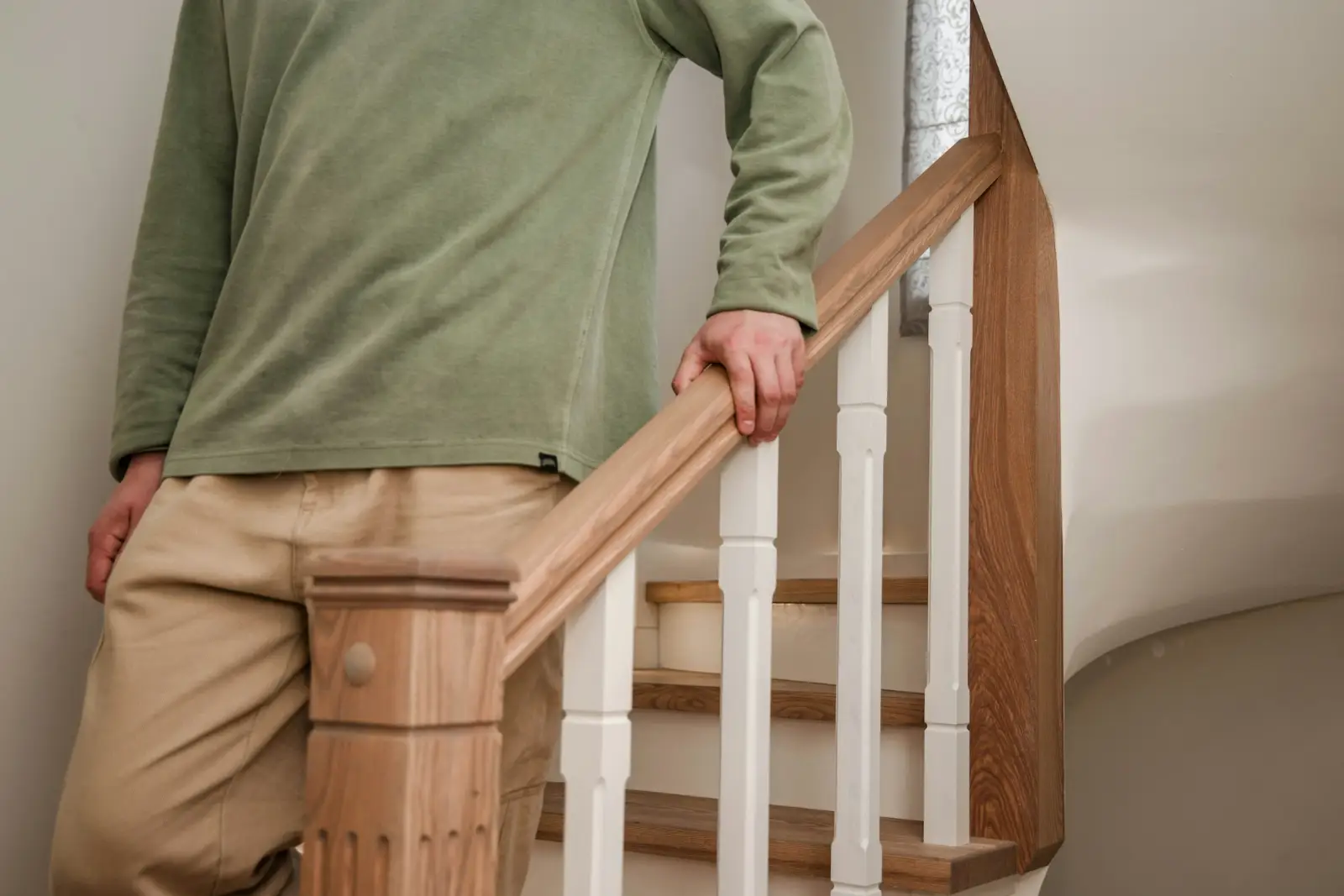
- Grab rails and stair rails
- Personal alarm or fall detector
- Strength and balance classes
Bigger changes may need an occupational therapist assessment and may qualify for funding.
Common decisions
Who pays for this in the United States?
Medicare may cover walkers and other equipment prescribed by your doctor. Medicaid HCBS programs in many states cover personal emergency response systems and home accessibility changes.
I have fallen. What should I do?
Tell your doctor, even if you were not hurt. They can refer you to a falls service, check medicines and eyesight, and arrange a physiotherapist.
Guides
Paying for home modifications in the US
Funding for ramps, roll-in showers and other home modifications in the US: VA HISA, SAH and SHA grants, USDA home repair, Medicaid waivers and local aging services.
Paying for mobility equipment in the US: every route
All the main ways to pay for a wheelchair, scooter or walker in the US: Medicare, Medicaid, the VA, state AT programs, HSA and FSA, tax deductions and self-pay.
Related equipment
Tools
This page gives general information. For advice about your own situation, start with your doctor, and your Area Agency on Aging.